
Stadium hosting France – Spain semifinal installs sun-blocking curtains
The 2026 World Cup marks the first time FIFA has used a sun-blocking curtain system at Dallas Stadium (AT&T Stadium) to address the issue of direct sunlight shining onto the pitch.
The semifinal match between France and Spain takes place at 8:00 PM on July 14 (local time) at Dallas Stadium (AT&T Stadium), a stadium in Arlington (Texas, USA). The semifinal is scheduled for a time when the sun has not yet fully set in Arlington.
According to AP, FIFA decided to pull the sun-blocking curtains at the west end of the stadium to reduce the impact of late-day sunlight shining directly onto the grass. This solution aims to minimize glare for high balls and long passes – which are specialties of both France and Spain.
Previously, the sun-blocking curtain system was first used in the Japan – Sweden match on June 25, which took place at 6:00 PM – the time when the sun shines directly through the western glass system. The remaining matches took place at different times, so this solution was not required.
This is a solution that has never been applied at this stadium since the venue opened 17 years ago.

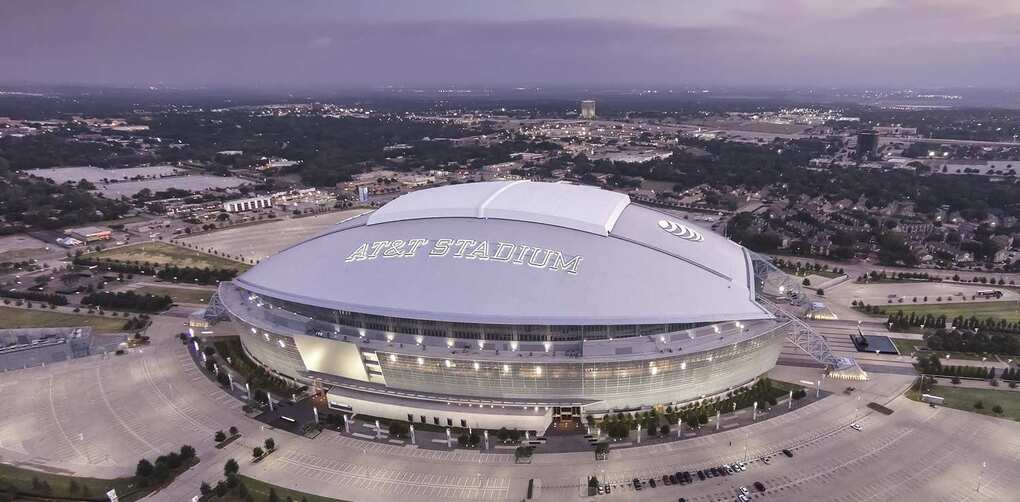
Dallas Stadium (AT&T Stadium) is located in the middle of the Dallas – Fort Worth metroplex and is one of the largest domed stadiums by capacity in the United States. Photo: AT&T Stadium
Dallas Stadium (AT&T Stadium) is located in the middle of the Dallas – Fort Worth metroplex and is one of the largest domed stadiums by capacity in the United States. Photo: AT&T Stadium
Trade-off between architecture and playing conditions
AT&T Stadium was inaugurated in 2009 with construction costs exceeding one billion USD. The structure stands out thanks to its retractable roof and two large glass panels at both ends of the stadium, making it one of the most modern stadiums in the United States.
The stadium was built on a nearly east-west axis, instead of the north-south orientation common in many outdoor stadiums. This design causes late afternoon sunlight to penetrate the western glass system and shine directly onto a portion of the pitch during certain match times.

The large glass door system at one end of AT&T Stadium, an architectural detail that creates an open space and utilizes natural light for the structure. Photo: AP
The large glass door system at one end of AT&T Stadium, an architectural detail that creates an open space and utilizes natural light for the structure. Photo: AP
According to sports venue design principles, a north-south orientation is usually preferred to limit players and spectators from having to look toward the sun, while reducing the impact of light on the quality of play.
However, according to Bryan Trubey, former Executive Vice President of HKS – the design firm of AT&T Stadium, this layout was a deliberate choice. The design team wanted to keep both ends of the stadium open using large glass door systems so that the structure could transition from an indoor stadium to a space with an outdoor feel, while also fitting the overall layout of the plot.
The glare issue at AT&T Stadium has repeatedly become a topic of debate in the NFL (the premier professional American football league). During late afternoon games, light shining through the western glass system makes it difficult for players to track the ball.
In late 2024, CeeDee Lamb – a player for the Dallas Cowboys – missed a pass in a game against the Philadelphia Eagles after losing track of the ball due to the sunlight. This situation further fueled the debate over the stadium’s design.

Late afternoon sunlight shines through the western glass door system, reflecting directly onto the AT&T Stadium pitch during an NFL game. Photo: AP
Late afternoon sunlight shines through the western glass door system, reflecting directly onto the AT&T Stadium pitch during an NFL game. Photo: AP
Despite this, Dallas Cowboys owner Jerry Jones has repeatedly refused to use curtains during his team’s games. He argues that the sunlight is a signature feature of the stadium and once stated that if they wanted to completely eliminate the issue, “we would have to rebuild the whole stadium.”
The curtain system is built into the facility but has only been used for certain concerts and entertainment events, never having been drawn during a sporting event prior to the 2026 World Cup.
FIFA adjusts the facility to serve the World Cup
FIFA’s decision to use curtains reflects the higher requirements for playing conditions at the World Cup. In addition to renaming AT&T Stadium to Dallas Stadium in accordance with sponsorship regulations, the organizers also replaced the pitch with natural grass along with various other technical adjustments to meet FIFA standards.
The curtain system is not used for all matches at AT&T Stadium but is only applied during time slots where there is a risk of direct sunlight shining onto the pitch.

The black curtain system is drawn to cover the western glass section of AT&T Stadium during the Japan – Sweden match at the 2026 World Cup. Photo: AP
The black curtain system is drawn to cover the western glass section of AT&T Stadium during the Japan – Sweden match at the 2026 World Cup. Photo: AP
AT&T Stadium is the venue for 9 matches at the 2026 World Cup, including 5 group stage matches, 3 knockout matches, and one semifinal.
FIFA’s use of sun-blocking curtains shows that even iconic structures may need operational adjustments to meet the requirements of individual tournaments. Instead of altering the structure, the organizers chose a flexible operational solution to both meet the strict standards of the tournament and preserve the stadium’s iconic design.
Bich Phuong (according to AP, Talksport)






Leave a Reply