
HoREA proposes integrating the subdivision and sale of land lots outside real estate projects into the Law on Real Estate Business to close legal loopholes and limit profiteering.
Contributing feedback on the draft Law on Real Estate Business (amended), the Ho Chi Minh City Real Estate Association (HoREA) proposed adding regulations to manage the transfer of land use rights in the form of subdividing and selling land lots outside real estate projects.
According to HoREA, this activity is regulated by land laws but has not been fully regulated under the Law on Real Estate Business.
The draft law currently mainly regulates real estate business activities through investment projects. Meanwhile, the transfer of land use rights by individuals or organizations in the form of subdividing and selling land lots outside projects is quite common but has not been fully regulated, creating a gap in management.

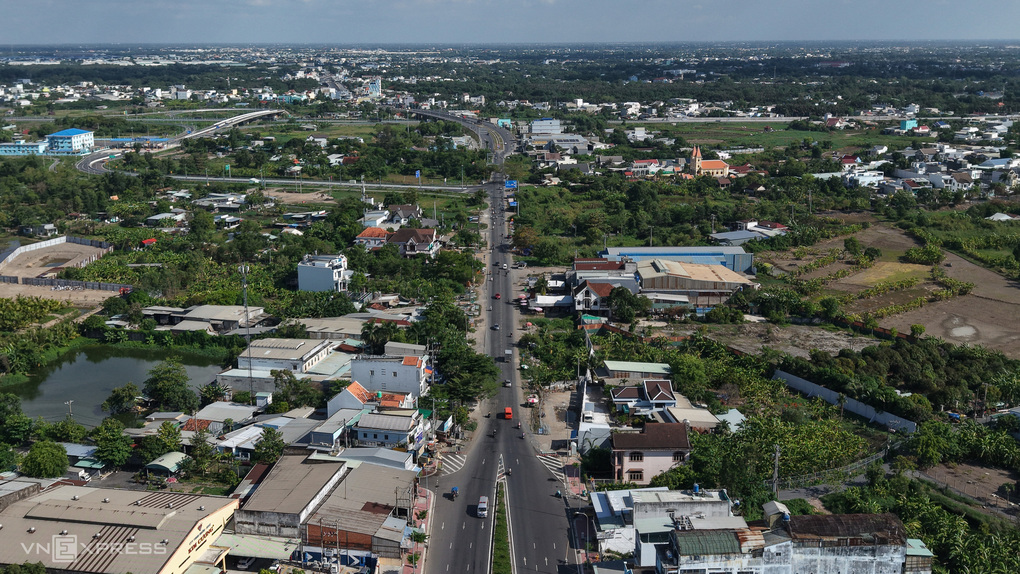
Real estate in the western area of Ho Chi Minh City with land lots and landed houses, May 2026. Photo: Quynh Tran
Real estate in the western area of Ho Chi Minh City with land lots and landed houses, May 2026. Photo: Quynh Tran
The association believes this is one of the reasons why many individuals exploit land subdivision, splitting, or advertising land plots that do not meet legal requirements to mobilize money from the public, leading to disputes and fraud in recent times.
Based on this reality, HoREA recommends expanding the scope of the law to cover the transfer of land use rights not belonging to real estate projects, while adding appropriate management regulations to enhance market transparency and protect buyers’ rights.
According to the Association, perfecting the legal framework will help management agencies better control land subdivision and sale transactions, limit false advertising, the sale of unqualified land, or the creation of “ghost” projects to raise capital.
Regarding the above proposal, some real estate experts believe that adding regulations is necessary because many recent scams and illegal capital mobilization cases in the market have stemmed from land subdivision and sales activities that do not meet legal conditions. However, amending the law should aim to manage commercial real estate business activities, rather than restricting the legal land transfer rights of citizens.
Mr. Vo Hong Thang, Deputy CEO of DKRA Group, stated that adding this regulation should be carefully considered because not all cases of land splitting are for real estate business purposes. According to him, current laws already have relatively strict regulations on land splitting conditions, minimum areas, technical infrastructure, and planning before transfer is permitted.
In reality, many households split land to meet the needs of family members or transfer a portion of the property when they need capital. After completing the land splitting procedures in accordance with regulations, the right to transfer, donate, or build on that land is guaranteed by law.
Therefore, if the scope of the Law on Real Estate Business is expanded to cover all off-project land subdivision and sales, the policy could unintentionally create additional procedures or affect citizens’ legal rights to dispose of their property. “Instead of adding new regulations, we should continue to strictly control land splitting conditions as we do now. This is the decisive step to limit rampant land subdivision,” Mr. Thang noted.
If regulations are added, the law should focus on requirements for disclosing legal information, controlling capital mobilization, and clearly defining the seller’s responsibilities. At the same time, it is necessary to clearly distinguish the boundary between ordinary civil transactions and professional real estate business activities. If the scope of regulation is too broad or unclear, citizens’ land transfer activities could incur unnecessary administrative procedures and compliance costs.
Phuong Uyen








Leave a Reply