
Developers will struggle to raise home prices in line with rising costs
Experts say the room for price increases in real estate projects is narrowing as price levels are already high, purchasing power has become more selective, and supply is gradually improving.
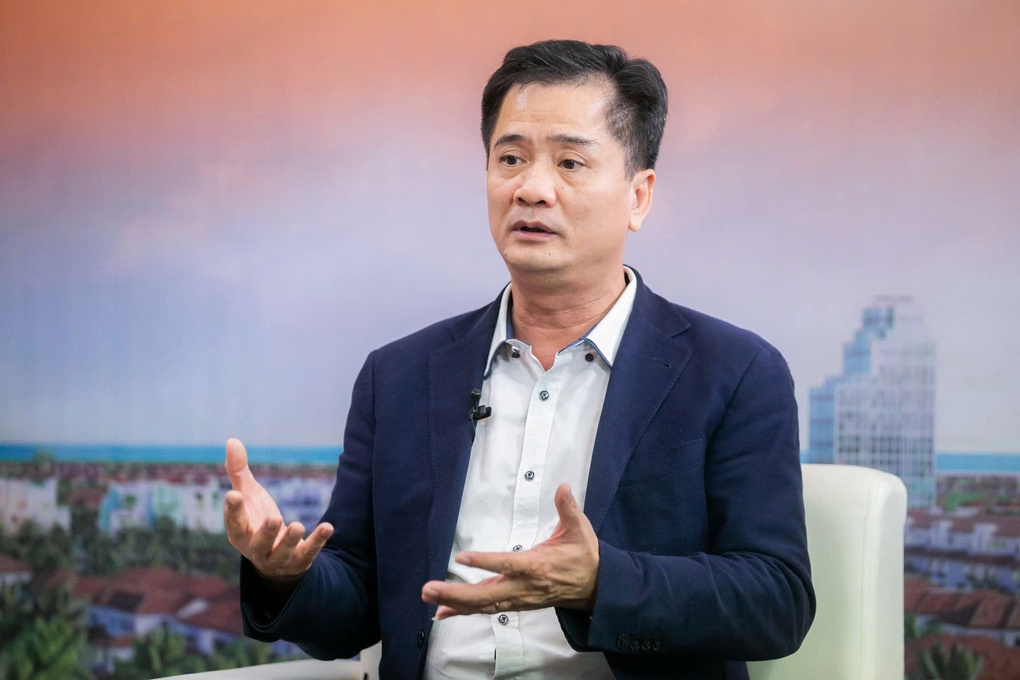
Ms. Le Thi Huyen Trang, General Director of JLL Vietnam, noted that the residential market is entering a new development cycle, where developers’ pricing ability no longer relies solely on project development costs and profit margins, but increasingly depends on the purchasing power and absorption capacity of the market.
According to her, for many years, scarce supply and prolonged legal bottlenecks caused home prices to continuously escalate, enabling businesses to pass most of their input costs onto selling prices to preserve profits.
However, the current context has changed. After years of sharp increases, home price levels are now at a high range, while home loan interest rates remain anchored at elevated levels, and buyers are increasingly weighing their financial capabilities carefully. This leaves businesses with little room to continue raising prices to offset project development costs as before.
“Land, construction, and capital costs may continue to rise, but that does not mean selling prices will increase correspondingly. The market’s absorption capacity is the decisive factor in how far businesses can set their prices,” Ms. Trang said.

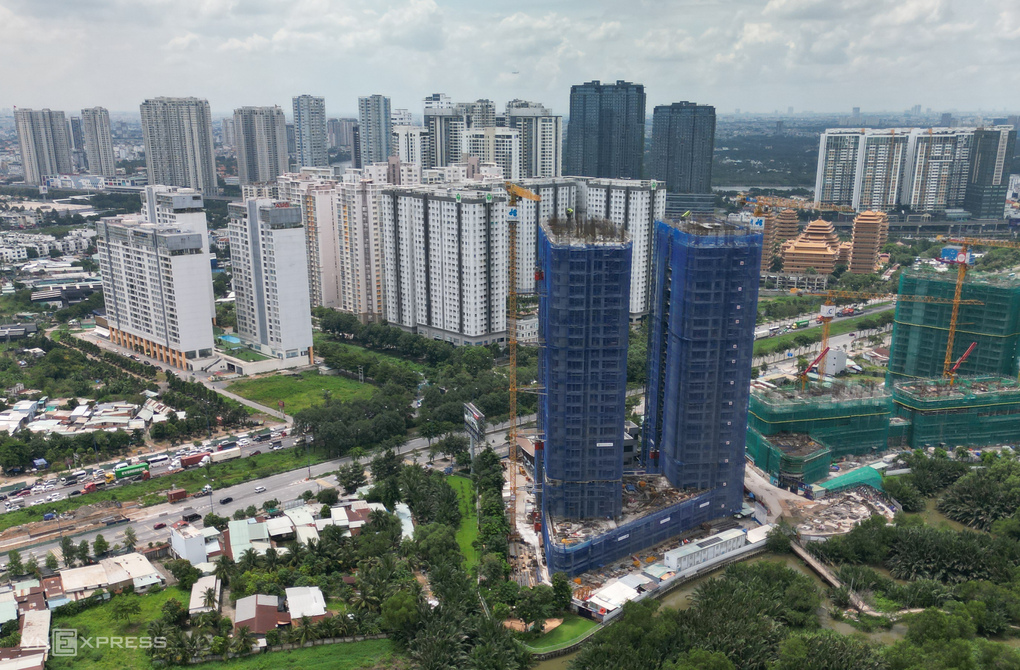
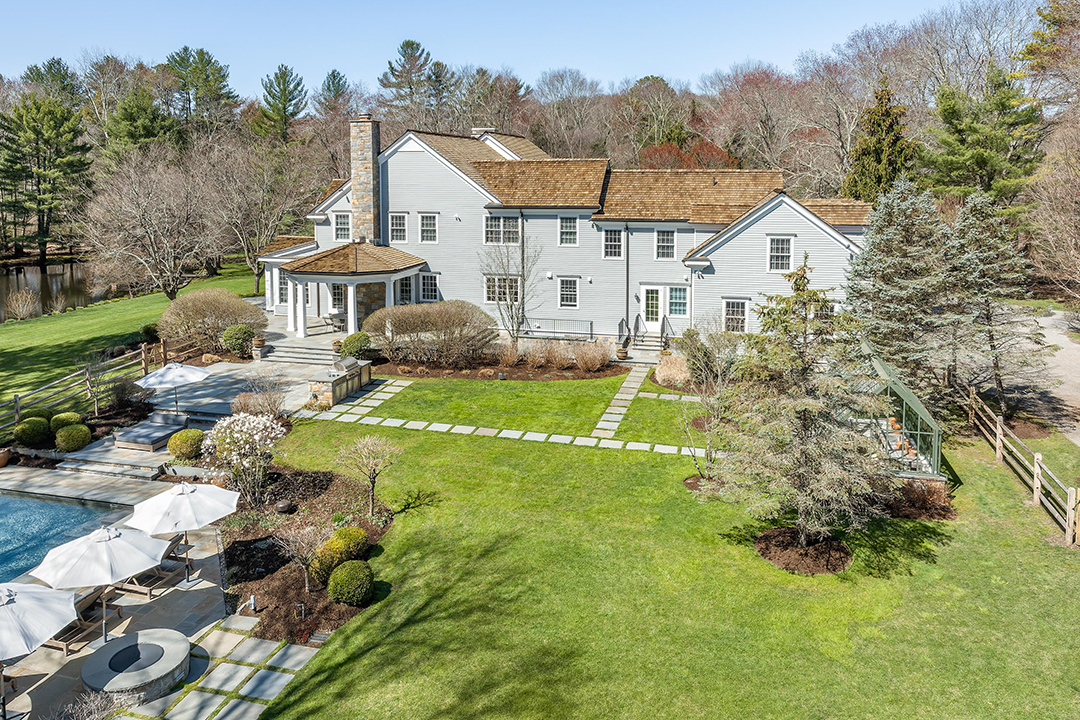
Real estate in the eastern area of Ho Chi Minh City, August 2025. Photo: Quynh Tran
Real estate in the eastern area of Ho Chi Minh City, August 2025. Photo: Quynh Tran
The CEO of JLL Vietnam believes the biggest change comes from the demand side. After more than two decades of development, buyers today no longer spend money based on the expectation that home prices will continue to rise, but care more about the real value of the product, planning quality, exploitability, and whether the price is commensurate with what they receive.
In addition, increasingly transparent market information helps buyers easily compare projects, forcing developers to compete on product quality, amenities, and sales policies instead of relying solely on price increases.
Sharing this view, Mr. Vo Hong Thang, Deputy General Director of DKRA Group, said developers are facing double pressure as project development costs continue to rise while the market’s absorption capacity declines. In this context, the priority of businesses is no longer maximizing profits but maintaining liquidity and cash flow.
According to him, recent developments in the primary market reflect this trend quite clearly. Although land prices, construction costs, and capital costs have all increased, most launched projects have kept price levels stable or only slightly adjusted, instead of continuously rising sharply as in previous periods.
Instead of increasing selling prices, many developers choose to share the cost pressure with customers through discount programs, interest rate support, principal grace periods, or extended payment schedules.
“Keeping selling prices stable while simultaneously implementing financial support programs shows that businesses are actively bearing a portion of the increased costs instead of adding it all to the selling price,” Mr. Thang said.
According to him, during the hot growth phase of the market, businesses could adjust prices to offset costs and preserve profits thanks to abundant liquidity. However, when price levels are already high and buyers become more cautious, this strategy is no longer effective.
Mr. Thang believes that the above change reflects a market operating in a more substantive direction, where absorption capacity becomes the decisive factor in project efficiency. To maintain liquidity, many developers are forced to accept narrower profit margins in exchange for cash flow and sales speed.
Forecasting the market in the coming time, JLL noted that the biggest challenge for developers will no longer be a lack of supply but balancing project development costs with the market’s absorption capacity.
This unit forecasts that in the next 5 years, the Southern region will have about 40,000 more apartments from projects that have been planned or announced. Although this scale is only equivalent to the volume of apartments offered for sale in Ho Chi Minh City alone during the 2014-2015 period, according to JLL, this is a signal that the supply shortage will be gradually improved.
“The story of supply shortage will probably no longer be too big of an issue in the next 5 years, instead of continuing to be the market’s biggest bottleneck as in recent years,” Ms. Trang said.
According to her, as supply gradually improves and buyers have more options, the room for developers to increase prices will continue to narrow. In the new cycle, selling prices will depend more on purchasing power and the real value of the product instead of just reflecting the increase in input costs.
This also means that businesses will have to accept sharing a portion of the cost pressure with customers by optimizing profit margins or increasing financial support policies to maintain liquidity.
Phuong Uyen




Leave a Reply