
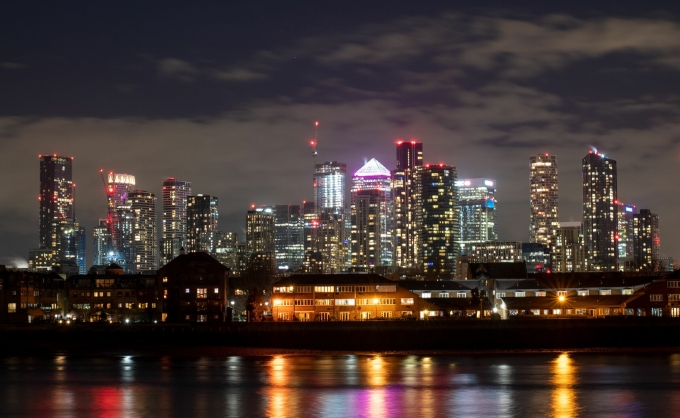
In London, the Docklands area in the east of the city was once a major seaport and industrial hub of the UK. Since the 1960s, changes in the shipping industry caused port activities to gradually shift away from the urban core, leaving hundreds of hectares of industrial land no longer effectively utilized. The British government then implemented a large-scale redevelopment program, investing in transport infrastructure and converting old docks into a multi-functional urban area. After decades of development, this place formed Canary Wharf – one of Europe’s major financial centers, while adding tens of thousands of apartments, offices, and facilities serving urban life.
Similarly, many Asian cities have also relocated manufacturing activities outside the center to restructure inner-city land funds. In Seoul (South Korea), the Guro industrial complex, once a symbol of the country’s manufacturing industry, has now been transformed into the Guro Digital Complex – a high-tech center with more than 4,000 businesses and about 20,000 workers.
Meanwhile, Singapore redeveloped many industrial land funds and old infrastructure into integrated urban complexes such as Paya Lebar Quarter. On a land area of about 4 hectares, this project provides a total development area of about 167,000 square meters including offices, commercial spaces, housing, and public spaces, while becoming the nucleus in the strategy to form a new growth pole outside the traditional central area of the island nation.

Night view at Canary Wharf with brightly lit high-rise buildings. Photo: Pexels
Night view at Canary Wharf with brightly lit high-rise buildings. Photo: Pexels
Although implemented differently, these models all show a trend of redeveloping land funds that once served single-industry production into multi-functional complexes, creating additional momentum for economic growth and meeting the living and working needs of the people. According to the United Nations Human Settlements Programme (UN-Habitat), urban regeneration is not only about changing land use functions but also helps restore areas that have not been effectively exploited, creating more development opportunities for local communities.
In Vietnam, Hanoi is also implementing a policy to relocate production facilities out of the inner city to reduce infrastructure pressure, improve the environment, and restructure urban space. Many land funds previously dedicated to industrial activities are being replanned to develop housing, commerce, services, and public facilities.
The Nguyen Trai – Nga Tu So axis is one of the areas clearly demonstrating this transition process. This place used to concentrate many large factories belonging to old industrial clusters. After production facilities were gradually relocated, dozens of hectares of land were replanned according to urban functions with housing projects, schools, and infrastructure serving residents.
This change not only creates more housing supply for the central area but also opens up opportunities to supplement missing functions in the inner city. Instead of serving the production activities of a few businesses as before, the areas after being replanned can simultaneously meet the living, studying, working, and daily needs of the residential community.
According to UN-Habitat, one of the important goals of urban regeneration is to bring land areas that have not been effectively exploited back to serve the community. The value of the transition process then is not only measured by the number of newly built structures. In many cities, industrial lands after redevelopment often add green trees, squares, walking paths, and landscape amenities – elements that are inherently scarce in central areas.
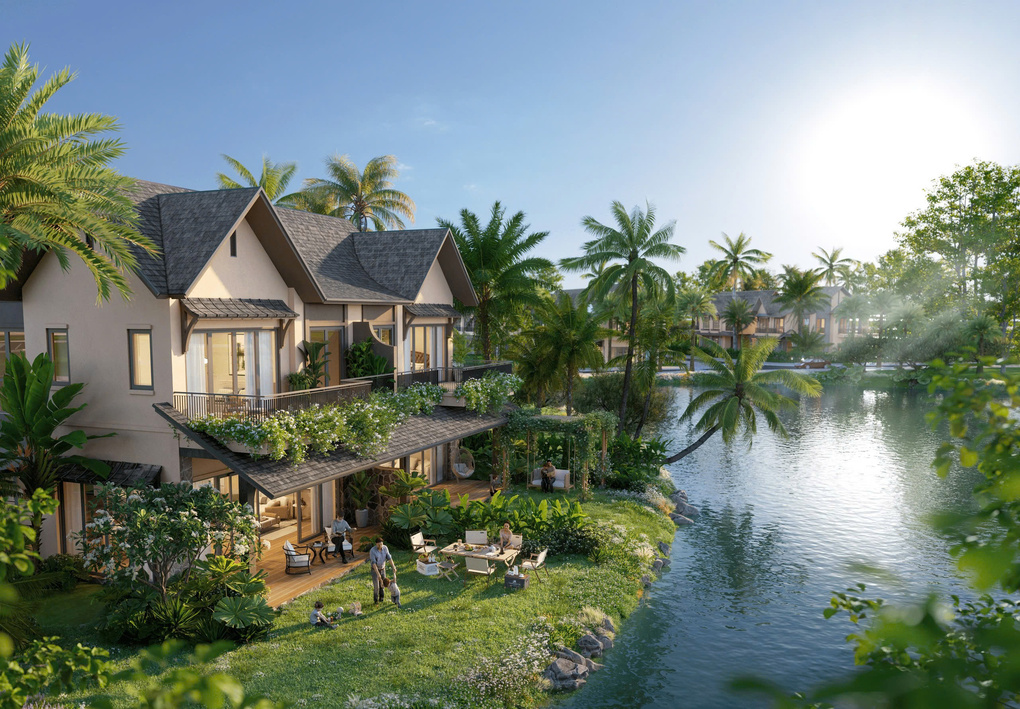
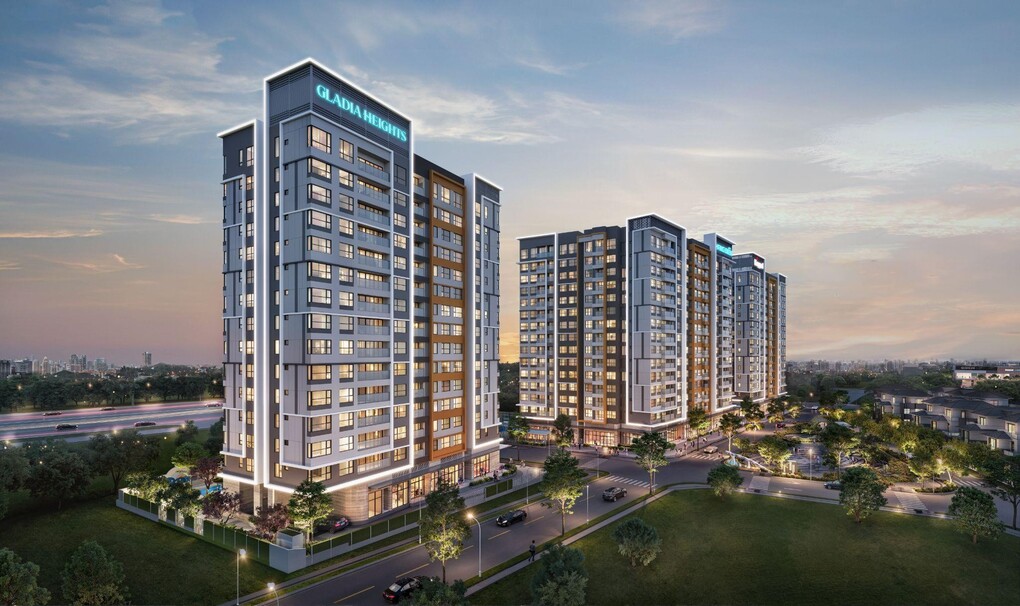
From this foundation, the project developed by Masterise Homes in the Cao Xa La area, Khuong Dinh ward (commercial name: Hanoi Seasons Garden) is planned with a construction density of about 28.8%. The remaining area is dedicated to green spaces, walking paths, and amenities serving the living needs of multi-generational residents.

Perspective of the Hanoi Season Garden project developed by Masterise Homes in Khuong Dinh ward. Photo: Masterise Homes
Perspective of the Hanoi Season Garden project developed by Masterise Homes in Khuong Dinh ward. Photo: Masterise Homes
A representative of Masterise Homes said that the process of transforming inner-city industrial lands not only opens up opportunities to develop new projects but also contributes to renewing the city’s appearance.
“The land fund that once served production activities can now meet the living, studying, entertainment, and connection needs of thousands of residents. That is the greatest value that the process of transforming industrial land funds brings to the urban area,” the representative shared.

Perspective of the green space and synchronously integrated utility system at the project. Photo: Masterise Homes
Perspective of the green space and synchronously integrated utility system at the project. Photo: Masterise Homes
According to the planning, Hanoi is shifting from an expanding urban area to a connected urban area. Redeveloping old industrial lands into new urban areas not only contributes to changing the city’s appearance but also improves the quality of life through increasing green space areas, adding facilities serving civil life, and enhancing connectivity to public transport systems such as the metro or transit-oriented development (TOD) models.

Leave a Reply