
The above proposal was stated by the Hanoi People’s Committee in the submission of the Resolution on compensation and support rates when the State recovers land. This resolution is expected to be considered and passed by the City People’s Council at its 4th thematic session taking place in mid-June.
Specifically, regarding support for assets and illegally constructed works on land eligible for compensation from July 1, 2014, to before August 1, 2024, the support will be equal to 20% of the prescribed compensation rate. The supported area must not exceed the maximum land allocation limit in the locality.
For technical and social infrastructure works currently in use but required to be relocated, the monetary compensation rate is calculated based on the new construction value of a work with equivalent technical standards. The managing and using unit is responsible for newly constructing and relocating the work. If no longer in use, the work will not be compensated.

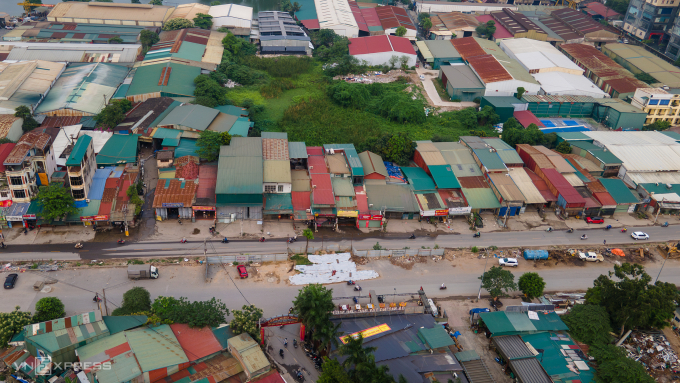
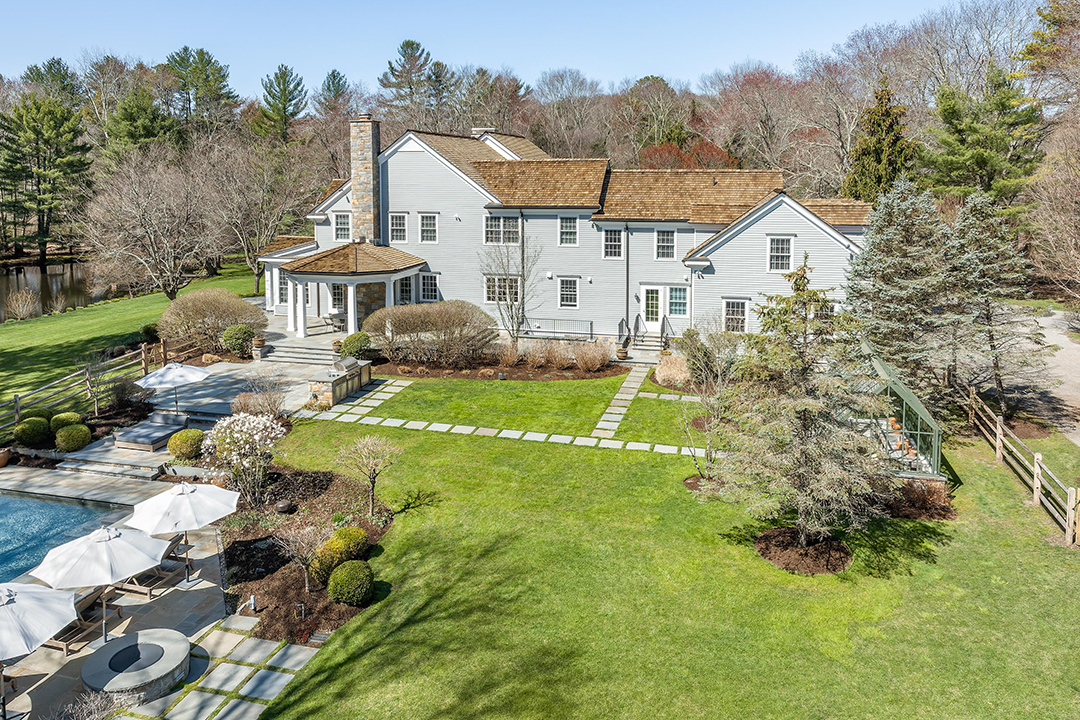
Real estate in western Hanoi. Photo: The Bang
Real estate in western Hanoi. Photo: The Bang
The draft also supplements support levels for households and individuals using state-owned housing in old apartment blocks but who have not yet been granted a red book.
Accordingly, cases with separate, stable use premises before July 1, 2006, and not falling under unauthorized land allocation, will be supported with 60% of the compensation value for the recovered house and land. In addition to the above support, if there is no other land or housing in the area, households may be allowed to purchase an additional resettlement apartment.
In addition, households, individuals, and people of Vietnamese origin residing abroad may be allocated residential land or sold resettlement houses if a portion of their residential land is recovered but the remaining area is not allowed for house construction. In case all land is recovered, and they still have houses or land in other communes or wards but the area is smaller than the minimum level for parcel separation, the above support level will also be applied.
According to the Hanoi People’s Committee, the resolution was drafted to concretize the provisions of the Capital Law, ensuring compliance with the city’s planning and development goals, as well as supporting projects to be implemented early.
Regarding this resolution, at the discussion session of Group No. 3 on the morning of June 12, delegates recommended unifying the compensation and resettlement support policies throughout the city. Delegate Le Minh Duc said that the regulation assigning the commune-level People’s Committee to decide on other support measures and levels could lead to a situation where each locality applies a different policy, giving rise to a mentality of demanding benefits among people in different areas.
Some delegates also proposed clarifying the management and use mechanism for the remaining land area in case house construction is not allowed after land recovery, in order to avoid the emergence of illegal construction works in reality.
Chairman of the City People’s Committee Vu Dai Thang stated that immediately after the resolutions implementing the 2026 Capital Law are passed, the city will review all cases related to service land, unauthorized land allocation, and other historical unresolved issues in the land sector. The goal is to remove long-standing obstacles related to land, meeting the legitimate aspirations of the people.




Leave a Reply