
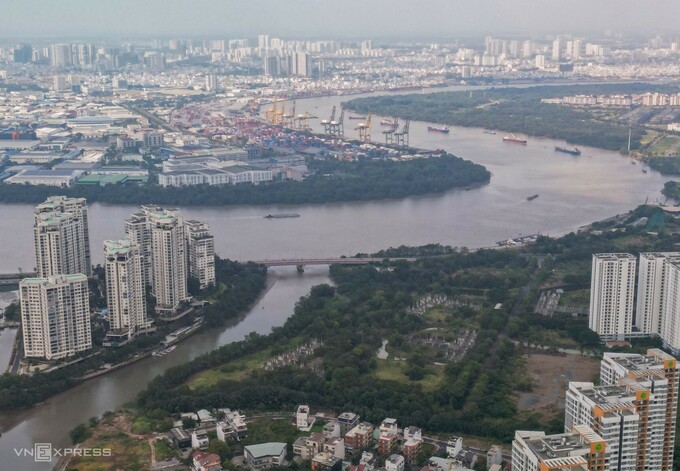
This content was introduced by the Department of Agriculture and Environment in the 3rd draft on the regulation of the land price adjustment coefficient (K coefficient) for 2026, which has just been submitted to the city Land Price Adjustment Coefficient Appraisal Council.
According to the Department of Agriculture and Environment, the current land price table only stipulates prices for frontage land plots of streets named in the price table. The remaining locations are calculated as a percentage compared to the frontage land price.
This calculation method is considered not to closely reflect the actual value of many land plots, especially in land clearance compensation.
For example, with agricultural land, determining the location is mainly based on whether the land plot is adjacent to a street named in the land price table. Meanwhile, in reality, many land areas are located next to concrete roads, asphalt roads, dirt roads, or stone roads that have been formed for a long time but have not been named. These cases are only classified in position 2 or 3, so the price level is often much lower than the actual value.
Similarly, for non-agricultural land, many alleys have very different widths but are applied the same price level. For example, a 5-meter wide alley and an alley over 15 meters wide are currently classified in the same price group, although travel conditions and commercial exploitation capabilities have significant differences.

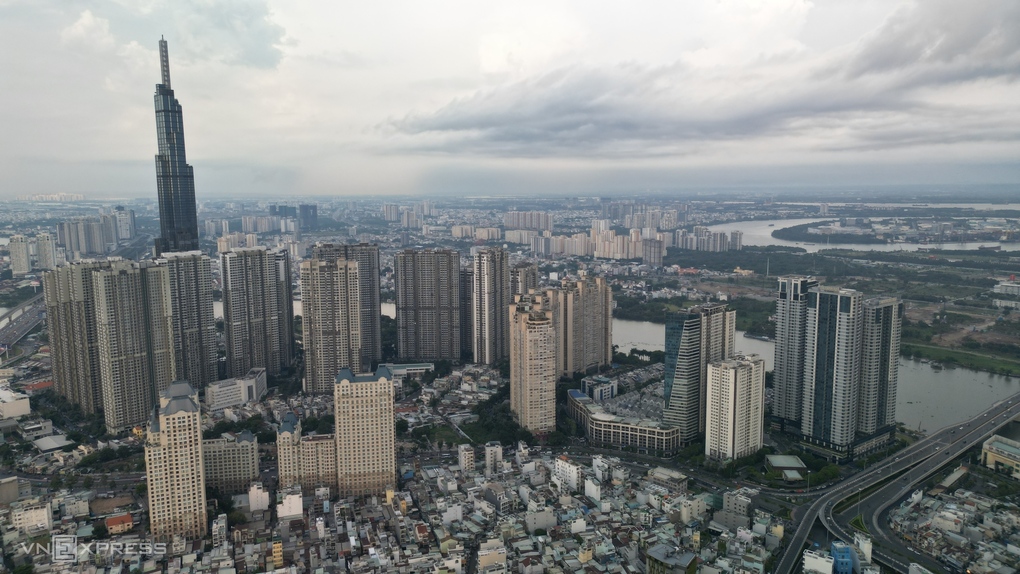
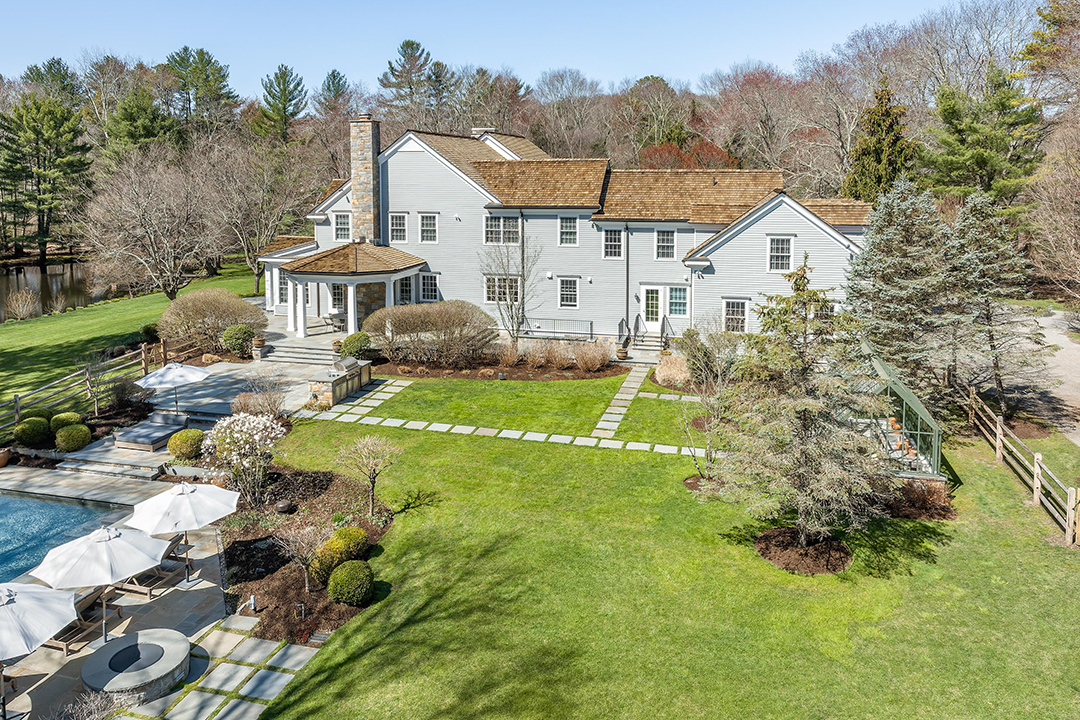
Real estate in the eastern area of Ho Chi Minh City, April 2026. Photo: Quynh Tran
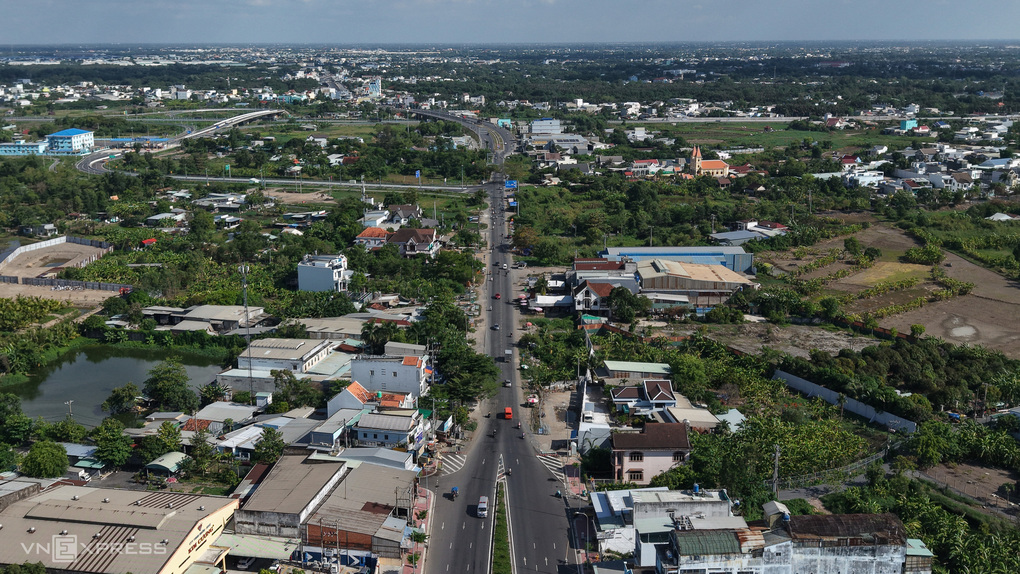
Real estate in the eastern area of Ho Chi Minh City, April 2026. Photo: Quynh Tran
According to the Department of Agriculture and Environment, applying the land price table along with the K coefficient in these cases does not accurately reflect the value of each land plot, easily leading to complaints when the State recovers land.
On June 19, the Department of Land Management (Ministry of Agriculture and Environment) issued a guiding document to Ho Chi Minh City on applying the land price table and the land price adjustment coefficient. Accordingly, if there is not enough basis to determine compensation money according to the land price table and K coefficient, the city can determine specific land prices according to the provisions of the Land Law.
Based on this guidance, the Department of Agriculture and Environment proposes not to apply the land price table and K coefficient for compensation, support, and resettlement when the State recovers land. Determining compensation prices will be carried out through specific land valuation methods.
In addition to land clearance compensation, the draft also proposes not to apply the land price table and K coefficient to sea encroachment projects, projects with mixed land use purposes, and some cases where specific land prices must be determined according to the provisions of the Land Law.
For cases where the land price table is still applied, the draft proposes that the adjustment coefficient based on market fluctuations and other factors remain at 1. Particularly, investment projects with high construction density will apply an additional adjustment coefficient according to planning from 1 to 1.3. Specifically, projects with a land use coefficient of less than 6 times apply a coefficient of 1; from 6 to less than 8 times apply a coefficient of 1.05; from 8 to less than 10 times is 1.1, gradually increasing to a maximum of 1.3 for projects with a land use coefficient of 16 times or more.
According to the Department of Agriculture and Environment, keeping the K coefficient at 1 aims to reduce financial pressure on citizens when changing land use purposes to build housing, while supporting businesses to reduce input costs, enhance competitiveness, and improve the investment environment.
The K coefficient is built for 168 wards, communes, and special zones of Ho Chi Minh City, applied to agricultural and non-agricultural land according to each street and location. This is the basis for determining land prices in many cases such as calculating land use fees, land rent, determining starting prices for auctioning land use rights, taxes, fees, and financial obligations related to land.
According to the plan, the decision on the land price adjustment coefficient for 2026 in Ho Chi Minh City must be issued before July 1 to serve as a basis for fulfilling financial obligations regarding land under new regulations.
Phuong Uyen





Leave a Reply