
Income tax exemption for selling sole real estate owned for at least 183 days
Sellers of their sole real estate are exempt from personal income tax if they have owned the property for at least 183 days and transfer the entire property, according to a Government Decree.
Under Decree 253 guiding the 2025 Personal Income Tax Law, the Government stipulates that sellers of their sole house (or land plot) in Vietnam are exempt from personal income tax. This regulation does not apply if the seller owns other residential houses or future-formed construction works.
To be eligible for the tax exemption, the transferor must have owned the house or land for at least 183 days (6 months) as of the time of sale. This period is calculated from the date the red book (certificate) was first issued, even if it has been renewed or reissued.
Additionally, the seller must transfer the entire house or land use rights. This means that if only a portion of the house or land is sold, that transferred portion will not be tax-exempt.
Individuals self-declare their property ownership and are responsible for this information. In case of false declaration, the tax authority will collect back taxes and impose penalties in accordance with regulations.

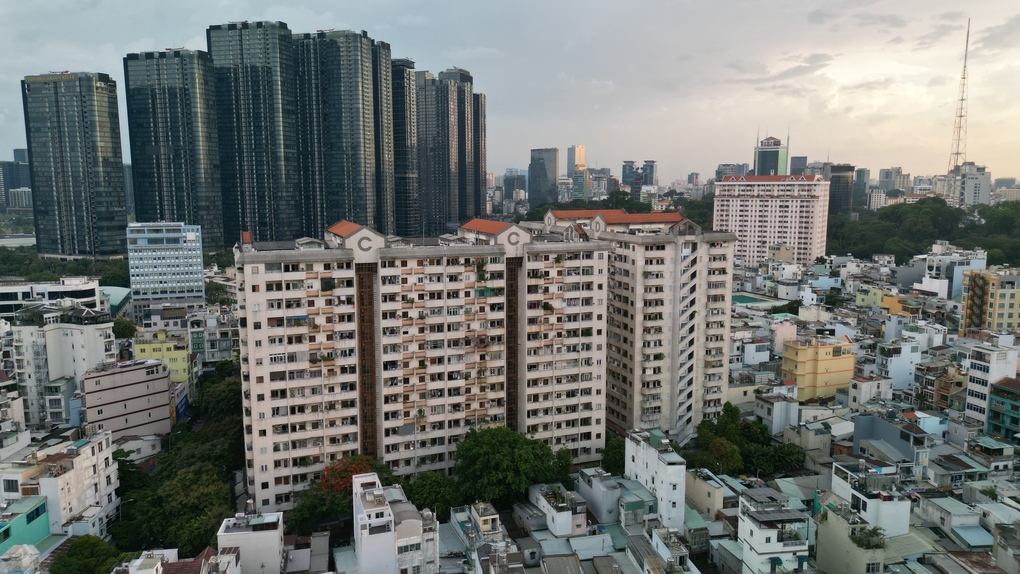
An apartment building in Thanh My Tay Ward, Ho Chi Minh City, May 2026. Photo: Dinh Van
An apartment building in Thanh My Tay Ward, Ho Chi Minh City, May 2026. Photo: Dinh Van
The Decree also continues to exempt personal income tax for transfers, inheritances, or gifts of real estate between immediate family members. This regulation applies to husbands and wives, parents and children (including adopted children), grandparents and grandchildren, siblings, parents-in-law and daughters-in-law, and parents-in-law and sons-in-law.
The division of real estate between spouses upon divorce according to an agreement or court ruling is also exempt from personal income tax.
In addition to real estate regulations, Decree 253 outlines 22 categories of tax-exempt income, including bank deposit interest, remittances, scholarships, pensions, income from carbon credits, income from science and technology activities, and certain incomes aimed at encouraging innovation and startups.
Phuong Dung





Leave a Reply