
Vinh Long is gradually forming urban areas that are synchronous in infrastructure, services, and utilities, contributing to economic growth, attracting investment, and forming a new growth pole.
This information was shared at the workshop “Vinh Long in the new development space: Urbanization momentum and opportunities to create next-generation living standards,” held on July 3. At the event, Mr. Dang Van Chinh, Permanent Vice Chairman of the Vinh Long Provincial People’s Committee, stated that for the 2025-2030 term, the province aims for an average GRDP growth of about 10% per year; the economic scale is projected to reach nearly 590,000 billion VND by 2030; and the average GRDP per capita will be around 170 million VND. Accordingly, urban development is a strategy to restructure economic space and form new growth poles.
From the perspective of experts, synchronous urban areas are seen as a driving force for local growth, as they converge many advantages: technical and social infrastructure, trade and services, and living space. In Vinh Long, after merging with Bến Tre and Trà Vinh, the province has a larger scale in terms of area, population, resources, and growth potential, creating conditions to restructure the development model and expecting to add a new growth pole for the Mekong Delta.
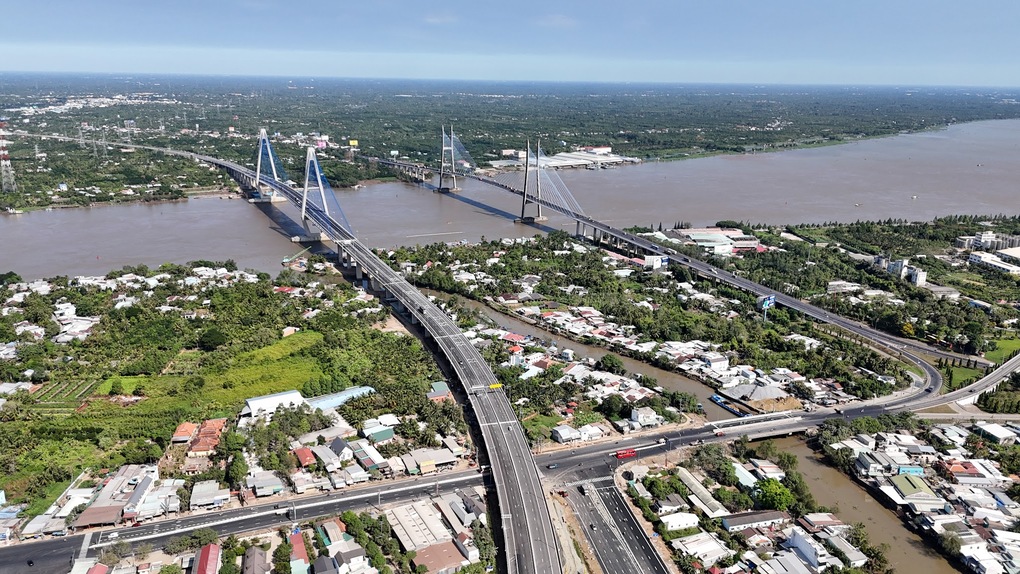
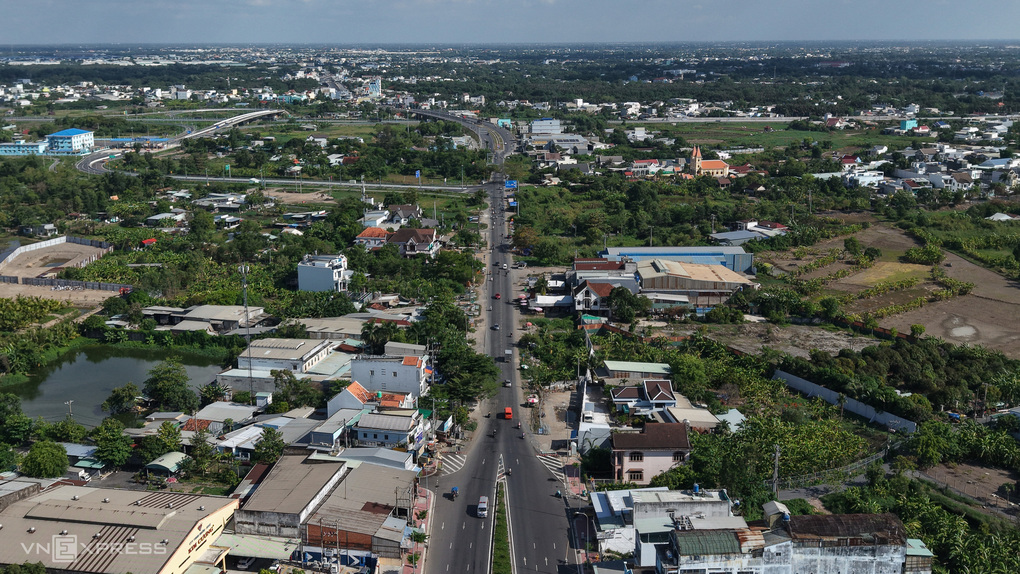
With its position connecting economic corridors, between river and marine economies, and between inland and coastal regions, Vinh Long is well-positioned to strongly promote advantages in transportation, logistics, processing industry, high-tech agriculture, renewable energy, services, and urban development. The province also has many strategic infrastructure projects such as the North-South Expressway East, My Thuan – Can Tho, My An – Cao Lanh, Dai Ngai Bridge, national highway systems, coastal roads, and inter-regional transport routes. These projects contribute to shortening the connection time to Ho Chi Minh City, Can Tho, and other economic centers in the region.

My Thuan Bridge across the Tien River, connecting Vinh Long province with Tien Giang. Photo: Hoang Anh
My Thuan Bridge across the Tien River, connecting Vinh Long province with Tien Giang. Photo: Hoang Anh
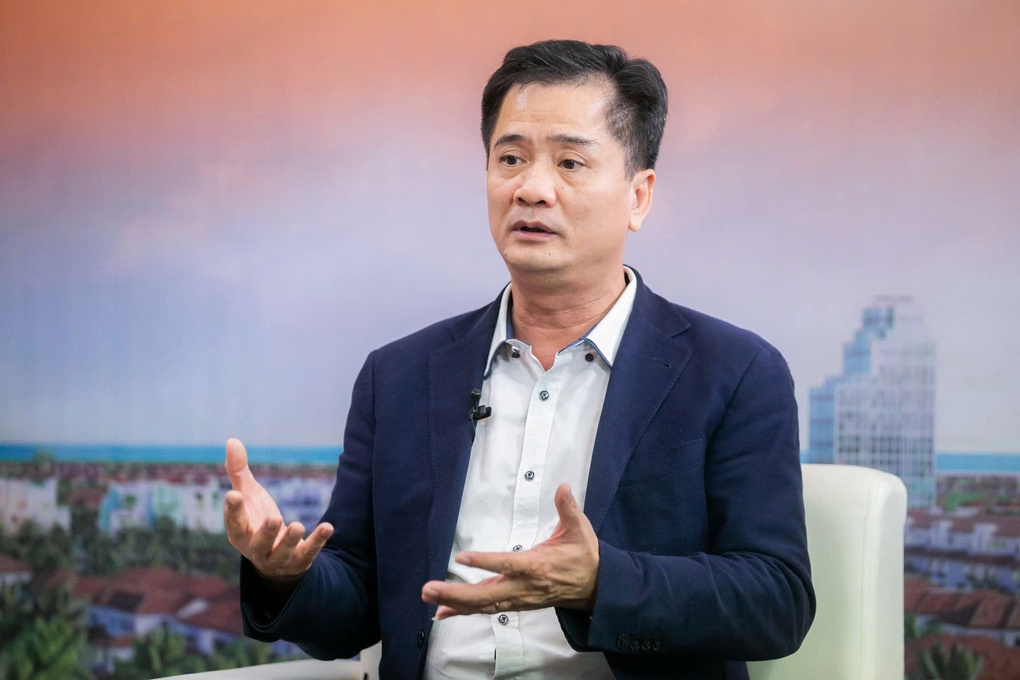
Dr. Nguyen Van Khoi, President of the Vietnam Real Estate Association (VNREA), said that Vinh Long has formed several well-invested urban areas with clear legal status and synchronous infrastructure, including riverfront integrated urban areas with a modern orientation. These urban areas contribute to creating jobs, increasing economic value, improving quality of life, and enhancing local competitiveness.
“These factors are valuable assets of the locality, while forming the urban core of the new development space,” Mr. Khoi said.

Local leaders and experts visit the synchronous urban project in Vinh Long. Photo: T&T Group
Local leaders and experts visit the synchronous urban project in Vinh Long. Photo: T&T Group
Sharing this view, Assoc. Prof. Dr. Tran Dinh Thien analyzed that T&T Group’s investment in projects in Vinh Long contributes to changing the urban appearance, while creating a spillover effect, strengthening confidence, and attracting more businesses to research and invest in the locality. After surveying the Phuoc Tho Residential Area project developed by the group, he noted that Vinh Long “is starting to change its perspective on its future.”
The former Director of the Vietnam Institute of Economics believes that the major advantage of Vinh Long after the consolidation lies in both its scale and its central regional location, as well as the opportunity to choose a new development model. According to him, if the locality wants to make a breakthrough, it needs to pursue a different path. In particular, developing urban areas contributes to attracting high-quality human resources, innovation activities, and capital flows. In addition to planning and infrastructure, the ability to attract strategic investors is considered an indicator reflecting the attractiveness of the development space.
Assoc. Prof. Dr. Nguyen Quang Tuyen, Head of the Legal Department of the Vietnam Real Estate Association, also highly appreciated the approach of developing synchronous urban areas, linked with general planning, connected infrastructure, green spaces, utility systems, and the quality of life of the people.
“A quality urban project not only creates value for investors but must also create value for the locality: upgrading the urban appearance, promoting trade and services, creating jobs, attracting high-quality residents, and contributing to enhancing the province’s competitiveness,” he said.

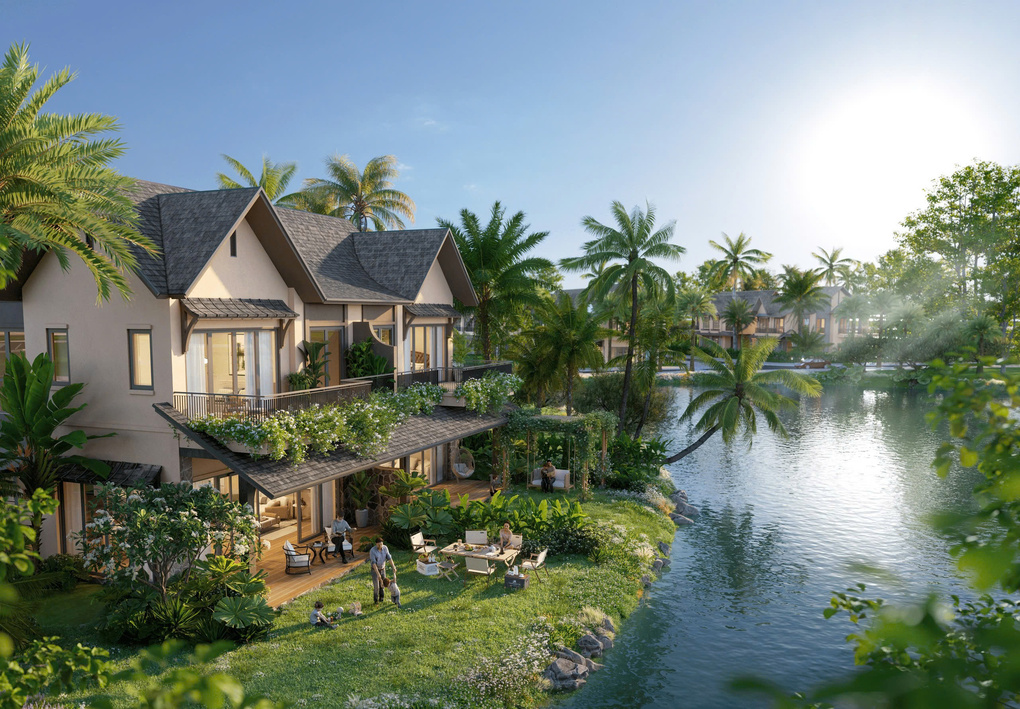
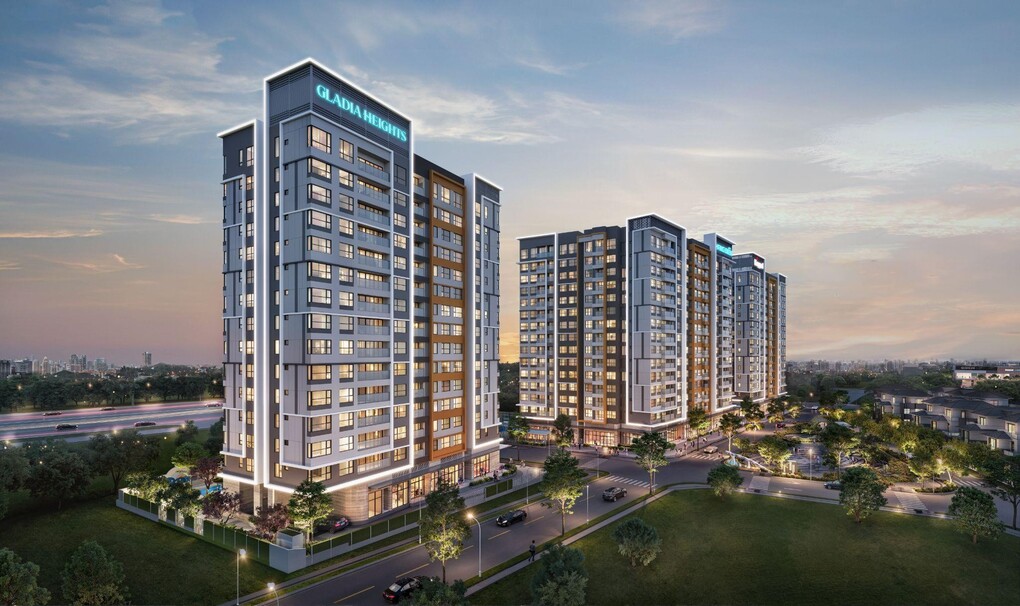
T&T Group’s urban project in Vinh Long. Photo: T&T Group
T&T Group’s urban project in Vinh Long. Photo: T&T Group
In addition, the appeal of synchronous urban areas is also reflected in their ability to attract international brands to participate in completing the service ecosystem. The presence of Hilton at T&T Group’s Phuoc Tho Residential Area project shows that modern urban areas can create a foundation for developing high-quality services.

Leave a Reply