
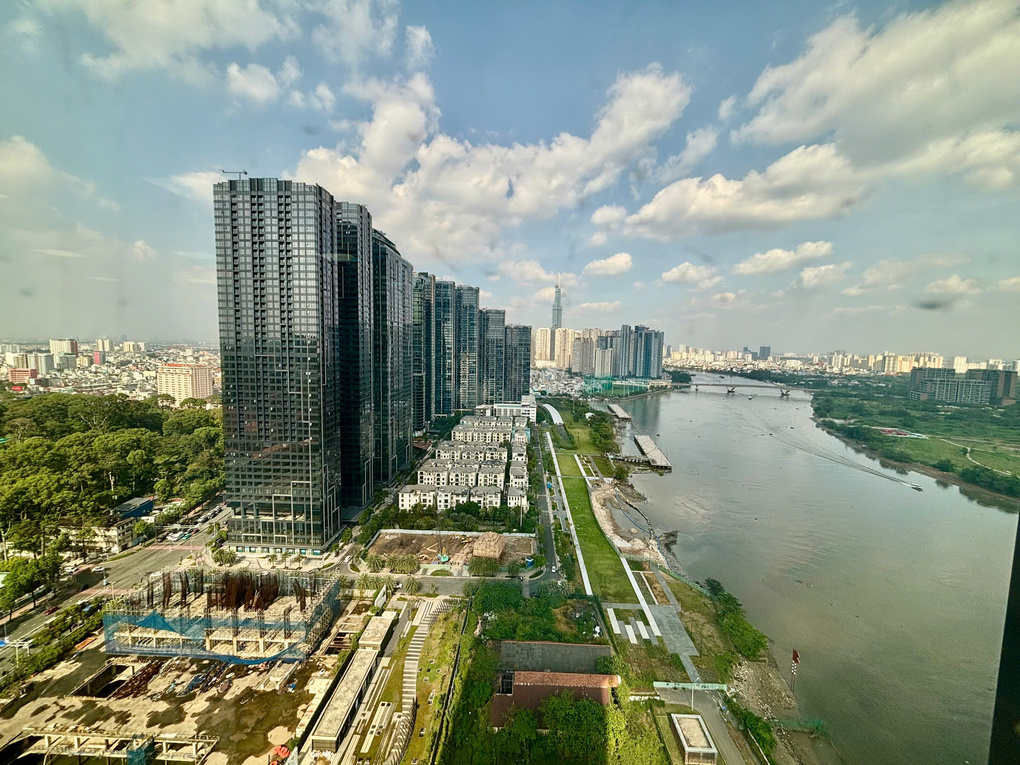
Branded residences, a product once associated only with coastal resorts, have recently begun shifting into major cities, where the demand for luxury housing is on the rise.
According to a report by Savills Hotels, approximately 60% of the future branded residence supply in Vietnam belongs to urban projects (Urban Branded Residences), a sharp increase compared to the 28% of completed supply (mostly resorts). This indicates that the development focus of the segment is shifting from traditional resort markets to the urban centers of Ho Chi Minh City, Hanoi, and Da Nang.
In addition to geographical shifts, Vietnam is also emerging as one of the fastest-growing markets for this segment. According to Savills Global Residential Development, considering both existing supply and pipeline projects, Vietnam ranks among the top four largest branded residence markets in the world, surpassing Thailand in terms of the number of projects.
Speaking at the Branded Residences & Ultra-Luxury Summit 2026, Mr. Mauro Gasparotti, Senior Director of Savills Hotels Southeast Asia, said that branded residences are transitioning from a second-home model in resort destinations to permanent housing for clients who want to live long-term while still enjoying international service and operational standards. According to him, this is a general trend in the global luxury real estate market, and Vietnam is following this trajectory.

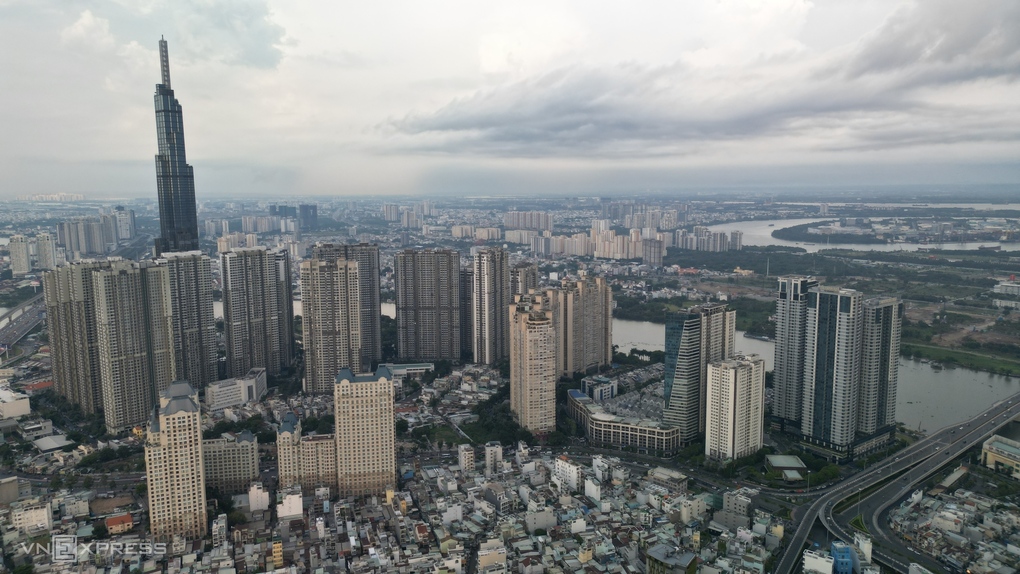
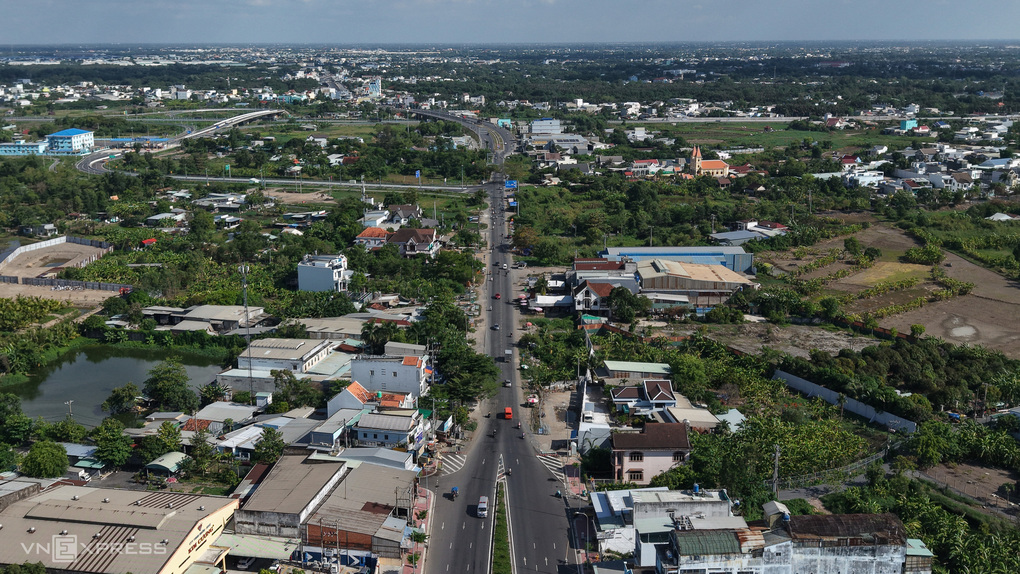
A branded residence complex in downtown Ho Chi Minh City. Photo: Phuong Uyen
A branded residence complex in downtown Ho Chi Minh City. Photo: Phuong Uyen
This development is becoming clearer in major cities as an increasing number of domestic residential developers enter the branded residence segment. In Ho Chi Minh City, the market has seen the emergence of Grand Marina, Saigon, The Rivus, and recently The Ritz-Carlton Residences, Saigon, part of the One Central Saigon complex.
In Hanoi, there is The Ritz-Carlton Residences, Hanoi. Although the numbers remain limited, these projects show that branded residences are gradually expanding beyond the resort market to establish a supply of branded housing in economic hubs.
According to Mr. Mauro Gasparotti, this is a general trend in the global luxury real estate market. Currently, there are more than 220 branded residence projects under development worldwide, while Vietnam is expected to add nearly 40 projects in the near future. The Asia-Pacific region alone is projected to see a 180% increase in the number of branded residences by 2031, becoming the fastest-growing region in the world.
The primary driver comes from the growth of the wealthy class. Savills states that the global ultra-high-net-worth individual (UHNWI) population is projected to increase by about 29% between 2021 and 2026. In Vietnam, Knight Frank’s Wealth Report 2026 also predicts that the number of individuals with a net worth of $30 million or more will increase by 59% over the next five years, ranking among the fastest-growing in the region. This is seen as a major driver fueling the demand for domestic branded real estate.
Not only is the client base expanding, but the criteria for choosing a home are also shifting. Ms. Uyen Nguyen, Deputy Director of Savills Hotels, said that buyers today do not just care about location or design but place higher expectations on the living experience, management and operational quality, and the amenity ecosystem. Global mobility trends along with multi-generational family models also require projects to meet more diverse needs, ranging from flexible living spaces to amenities for health, education, work, security, and community connection.
According to experts, this is the factor driving branded residences to leave the resort domain and enter urban areas. When real estate is used as a primary residence rather than a short-term lodging option, the brand’s value no longer lies just in its name but in its ability to maintain service quality and living experiences throughout the project’s lifecycle.
Along with the geographical shift, the brand ecosystem is also expanding. While this segment was previously associated primarily with hospitality groups such as Marriott International, Hyatt, or IHG, in recent years, many fashion, furniture, and supercar brands have also participated in project development.
Versace Home, Bentley Home, Bugatti Home, Fendi Casa, or Dolce & Gabbana Casa… do not just license their brands but also participate in designing, selecting materials, setting finishing standards, and shaping the resident experience.
According to experts, this move indicates that branded residences are entering a new phase of development. The value of a project is no longer determined solely by location or architecture, but by the combination of brand, service, operation, and living experience.
The shift from resorts to urban areas is therefore not merely a change in project locations, but reflects the maturation of Vietnam’s luxury real estate market. As branded residences become primary homes rather than just vacation retreats, this segment is expected to continue expanding in both scale and standards in the coming years.
Phuong Uyen

Leave a Reply