
Ministry of Construction drops proposal on term-limit apartment ownership
A representative of the Housing and Real Estate Market Management Department stated that the proposal on term-limit apartment ownership has been revised and removed from the draft amended Housing Law.
On the afternoon of July 14, a Deputy Director of the Housing and Real Estate Market Management Department (Ministry of Construction) shared with VnExpress regarding the proposal on term-limit apartment ownership. He said this content had been revised by the Ministry of Construction and removed from the latest draft of the amended Housing Law. Currently, the draft is still being studied, revised, and submitted to competent authorities for appraisal in accordance with the regulated schedule.
Previously, in the draft Housing Law published by the Ministry of Justice for appraisal, the regulations on establishing and terminating ownership rights of apartment buildings were among the notable changes. The old draft stated that the ownership term of apartment buildings would be determined by the lifespan of the structure. Provincial People’s Committees would conduct inspections and quality assessments of apartment buildings when the buildings expire or before expiration if they are damaged, at risk of collapse, or unsafe for users.
If the usage term is not extended, the apartment building must be demolished. Ownership rights of the apartments and other areas in the building will terminate after the demolition process.
A quick poll by VnExpress on July 14 with over 2,000 participants showed that more than 70% of respondents agreed to keep the regulation of indefinite apartment ownership.

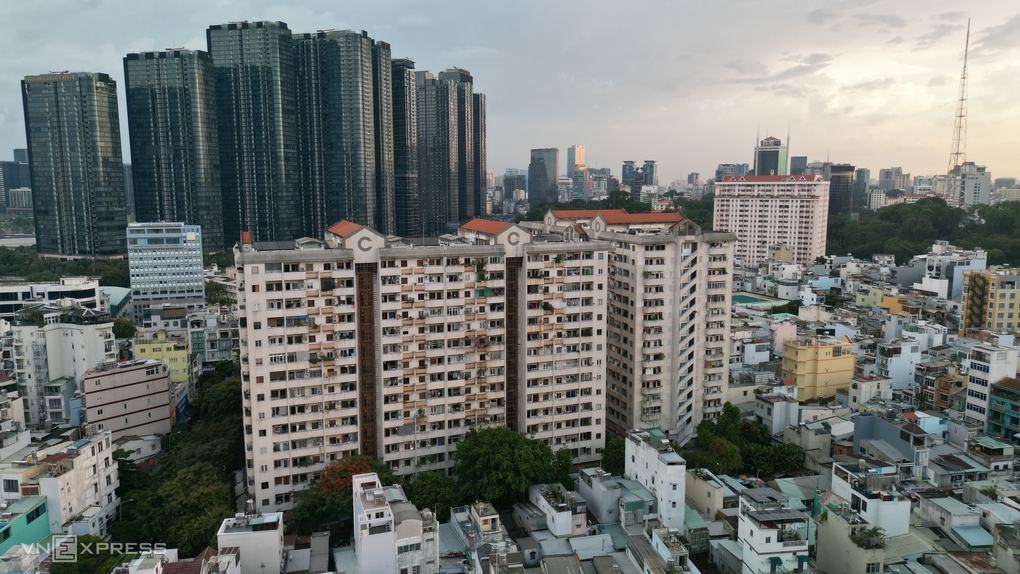
An apartment complex in Thanh My Tay Ward, Ho Chi Minh City, May 2026. Photo: Dinh Van
An apartment complex in Thanh My Tay Ward, Ho Chi Minh City, May 2026. Photo: Dinh Van
This is not the first time a proposal on term-limit apartment ownership has been introduced. During the drafting of the amended Housing Law in late 2022, the Ministry of Construction also added a new section on “Apartment ownership term”. This term was to be determined by the building’s lifespan specified in the appraised design documents, and calculated from the time the entire project was completed, accepted, and put into use.
However, by April 2023, the Ministry took into account the opinions of the National Assembly Standing Committee and requested the Government not to regulate term-limit apartment ownership. The reason given by the Ministry was that this is a sensitive issue with a significant social impact, and opinions remain divided and lack consensus.
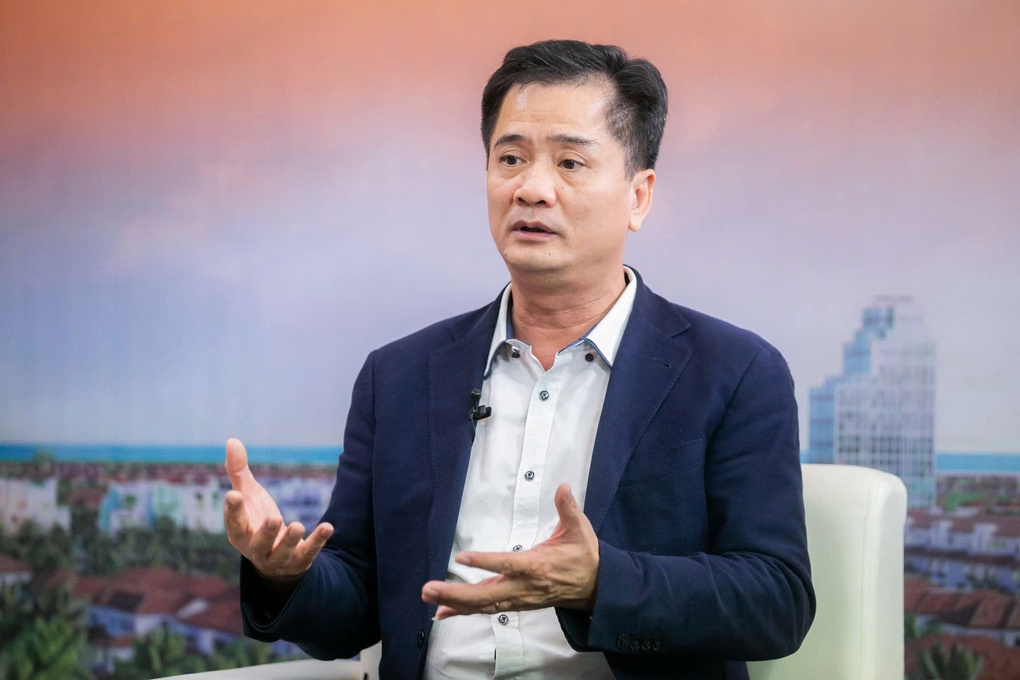
Regarding this matter, Mr. Le Hoang Chau, Chairman of the Ho Chi Minh City Real Estate Association (HoREA), expressed his support for the Ministry’s reception and removal of the aforementioned content during the drafting of the amended Housing Law. He said that linking apartment ownership terms to the building’s lifespan could make people feel insecure and does not ensure the stability and consistency of the legal system.
Mr. Chau argued that the mechanism of term-limit housing ownership should only apply when parties agree in the sales contract or for housing built on land with a limited term of use, rather than applying it universally to all apartments.
Similarly, real estate legal expert Pham Thanh Tuan pointed out that the proposal on apartment ownership terms would mainly affect those purchasing apartments in projects formed after the law takes effect. Meanwhile, the goal of the draft is to resolve bottlenecks in old apartment buildings. He recommended that the drafting agency refine the mechanism for renovating and rebuilding apartment buildings so that the policy addresses the right issues and target groups, rather than creating more anxiety for future apartment buyers.
The Housing Law 2023 currently does not regulate apartment ownership terms, but only regulates the usage term of apartment buildings based on design documents and actual quality inspections.
In reality, the Certificate of Land Use Rights, Ownership of Houses, and Assets Attached to Land specifies two types of apartment usage terms: long-term and limited-term. Specifically, long-term apartments are built on residential land, where buyers own the apartment attached to stable, long-term land use rights. Meanwhile, 50-70 year apartments are mainly built on land with a limited term of use, such as commercial and service land. When purchasing this type, buyers can use the property for the remaining duration of the project, calculated from the date the State allocated the land to the developer.


Leave a Reply