
Asking prices for townhouses, private houses, villas, and land plots all decreased in the second quarter, while apartments maintained a stable price level, according to data from PropertyGuru Vietnam.
PropertyGuru Vietnam’s real estate market report for the first half of the year shows that asking prices for many types of housing adjusted after the first quarter. Among them, private houses and townhouses recorded the sharpest declines.
Specifically, the asking price for private houses fell by about 6.5%, from 139 million VND to 130 million VND per square meter. Townhouses decreased by 5.6%, from 214 million VND to 202 million VND per square meter. Villas dropped by 3.3% to about 148 million VND per square meter, while land plots fell by nearly 2.5% to around 40 million VND per square meter. Meanwhile, apartments maintained their price level at around 70 million VND per square meter compared to the previous quarter.
In Ho Chi Minh City, the adjustment trend occurred in several segments but to a lesser extent. Villa prices decreased by about 6.3%, from 160 million VND to 150 million VND per square meter. Land plots fell by nearly 3% to 66 million VND per square meter, townhouses decreased by about 1%, while private house prices remained almost flat.
According to Mr. Dinh Minh Tuan, Southern Regional Director of PropertyGuru Vietnam, this is the first time the market has recorded a phenomenon where most types of real estate adjusted their prices simultaneously after a period of hot growth. However, the decline mainly occurred in the secondary market, while many newly launched primary projects continued to set high price levels.

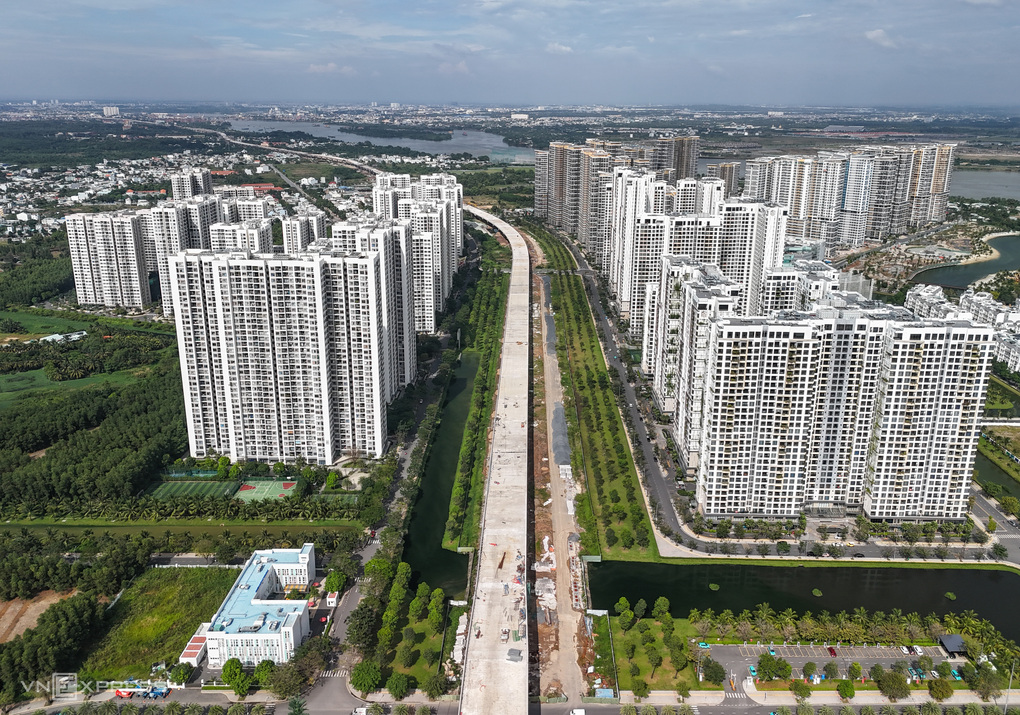
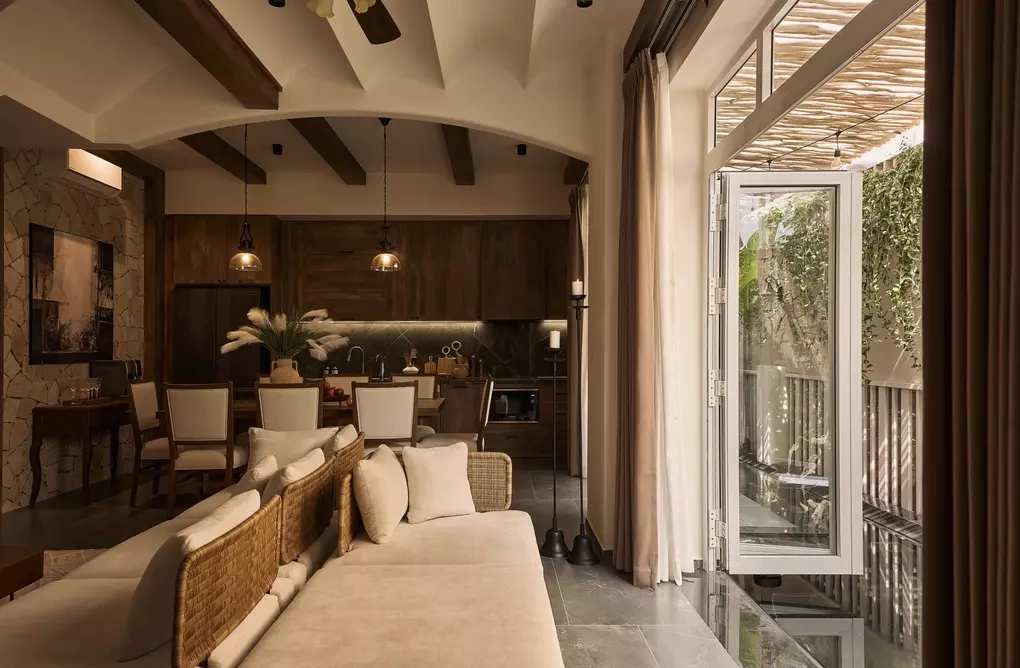
Real estate in the Eastern area of Ho Chi Minh City, December 2025. Photo: Quynh Tran
Real estate in the Eastern area of Ho Chi Minh City, December 2025. Photo: Quynh Tran
This development was also reflected in other market research reports. According to CBRE, the growth rate of apartment prices in Ho Chi Minh City continued to slow down in the second quarter. On the secondary market, the year-on-year price growth rate decreased by 6 percentage points compared to the same period last year, while the quarterly growth rate narrowed by 8 percentage points, indicating that the room for growth is no longer as large as in the previous period.
Meanwhile, DKRA Consulting recorded that transfer prices of many types of real estate on the secondary market generally decreased by 3-6% compared to the previous quarter. The adjustment trend mainly appeared in high-value products or among investors facing financial pressure, who had to lower prices to recover capital and reduce interest expenses.
According to Mr. Tuan, the simultaneous price adjustments across multiple segments reflect a market rebalancing process rather than a sign of a widespread decline. Cash flow is no longer chasing price growth expectations as in the 2021-2022 period but is shifting to products with real housing demand, transparent legal status, and those benefiting from planning and infrastructure.
PropertyGuru’s survey of brokerage firms also showed a decline in liquidity across most segments in the second quarter. About 90% of land plot brokers reported a decrease in transaction volume; this rate ranged from 74% to 76% for private houses and townhouses, and was around 60% for apartments. This indicates that the latter segment still maintains demand due to real housing needs but could not escape the general wave of adjustment.
The shift in cash flow has also caused short-term investment activities to gradually cool down. Among clients purchasing real estate for investment purposes, 67% chose rental exploitation, 17% bought to accumulate assets, and only 16% invested in short-term speculation. According to Mr. Tuan, investors are shifting from capital gain expectations to prioritizing cash flow and long-term holding value.
This assessment is also consistent with the evaluation of Mr. David Jackson, General Director of Avison Young Vietnam. According to him, the market is entering a phase of adjustment and rebalancing after a cycle of sharp price increases in recent years. The interest rate level remaining high has caused a segment of buyers to delay their purchasing decisions, waiting for capital costs to decrease, credit policies to become more favorable, and price levels to be more reasonable, thereby weakening liquidity and putting adjustment pressure on transfer prices in the secondary market.
According to Avison Young, the majority of buyers still have financial capacity and are currently in an observing state. When capital costs decrease, credit conditions improve, and price levels become more attractive, pent-up demand is expected to return, contributing to improved liquidity in the coming quarters.
Forecasting the second half of the year, PropertyGuru believes that apartments will continue to be the segment with the most positive outlook, followed by private houses. About 64% of apartment buyers currently aim for living purposes, while 36% buy for investment.
This organization assesses that the recovery of supply will help buyers have more choices, while forcing developers to compete on product quality, implementation progress, and brand reputation instead of just relying on price increase expectations. The market will also continue to polarize, with cash flow focusing on projects that meet real housing needs, have clear legal status, and benefit from planning and infrastructure.
Phuong Uyen





Leave a Reply