
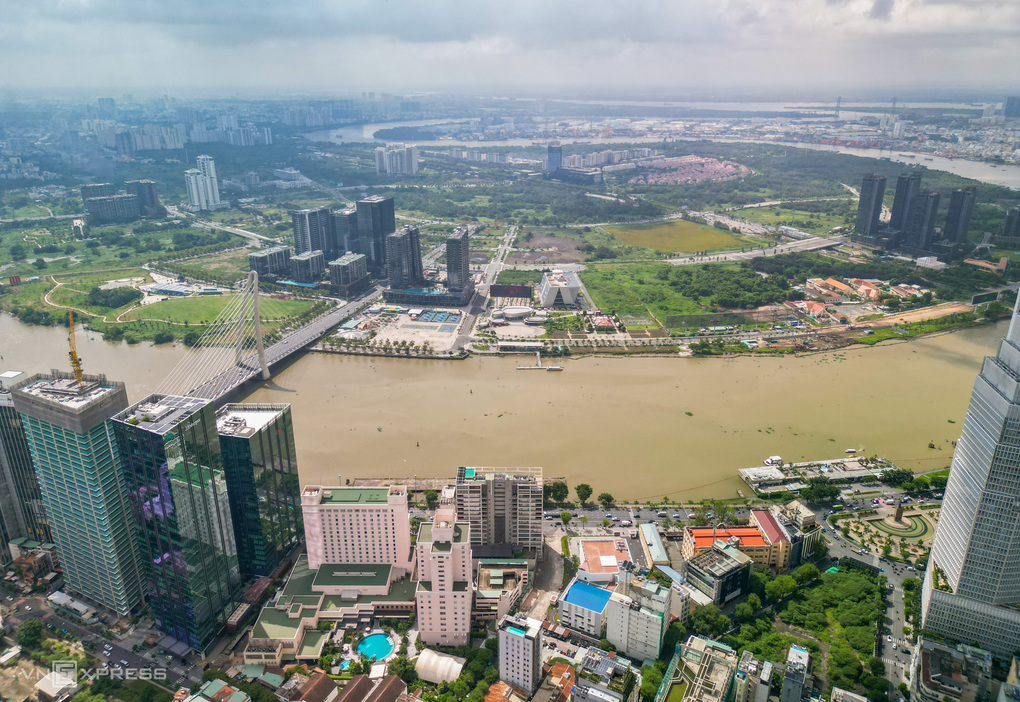
High cost of capital and the valuation gap between buyers and sellers made real estate M&A activities more selective in the first half of the year.
Foreign direct investment (FDI) inflows continued to pour into Vietnam in the first half of this year, but real estate is no longer an easy capital magnet as in the previous period. Instead, investment funds are becoming increasingly cautious, prioritizing only projects with clear legal status, cash flow generation capabilities, and immediate exploitation potential.
According to data from the General Statistics Office, total registered FDI in the first six months of the year reached 34.65 billion USD, up 61% year-on-year. Disbursed capital reached about 11.72 billion USD, up 8.1% and the highest first-half level in the past five years.
However, the majority of foreign capital remained concentrated in the processing and manufacturing sector, accounting for about 82.6% of the total registered capital. Meanwhile, real estate accounted for only about 7.4%, reflecting investors’ cautious sentiment towards merger and acquisition (M&A) activities.
According to a report from JLL Vietnam, the global high-interest rate environment, rising construction costs, and geopolitical uncertainties have prompted many investment funds to reassess their strategies in Vietnam. Instead of taking the risk of developing projects from scratch, they prioritize acquiring existing assets or projects that can be deployed in a short time to control risks and optimize capital efficiency.
Consequently, investment appetite has shifted significantly. Currently sought-after projects must simultaneously meet multiple criteria, such as transparent legal status, favorable locations, good infrastructure connectivity, reputable developers, and stable cash flow generation. The due diligence process is conducted more thoroughly than before, focusing on asset quality and operational efficiency rather than just expectations of price appreciation.

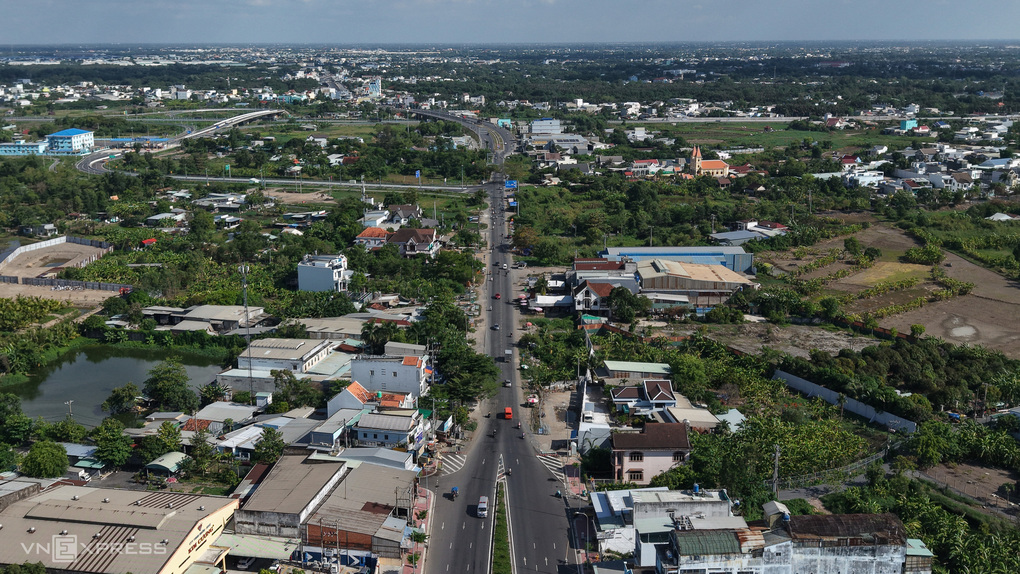
Real estate in central Ho Chi Minh City, July 2025. Photo: Quynh Tran
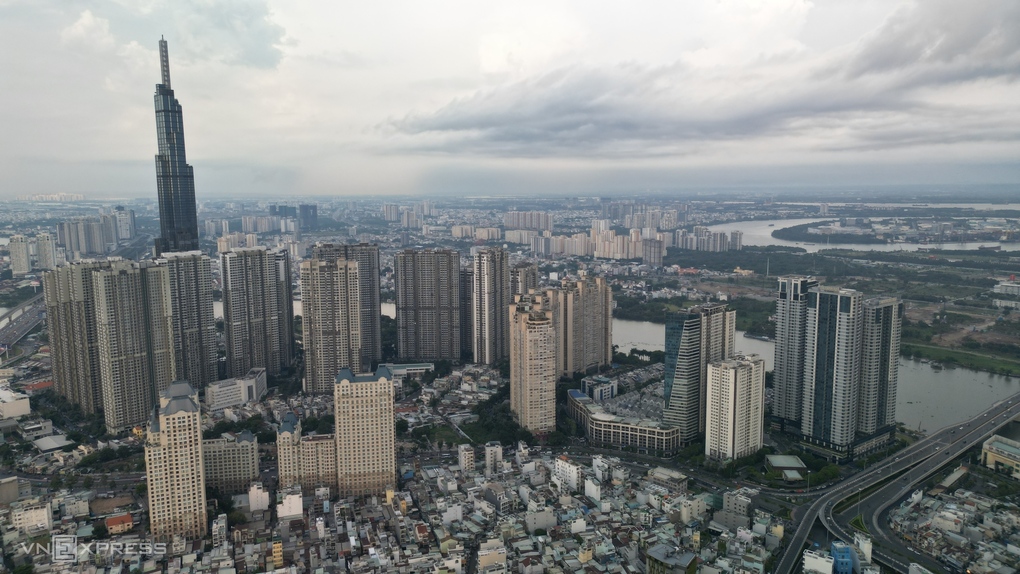
Real estate in central Ho Chi Minh City, July 2025. Photo: Quynh Tran
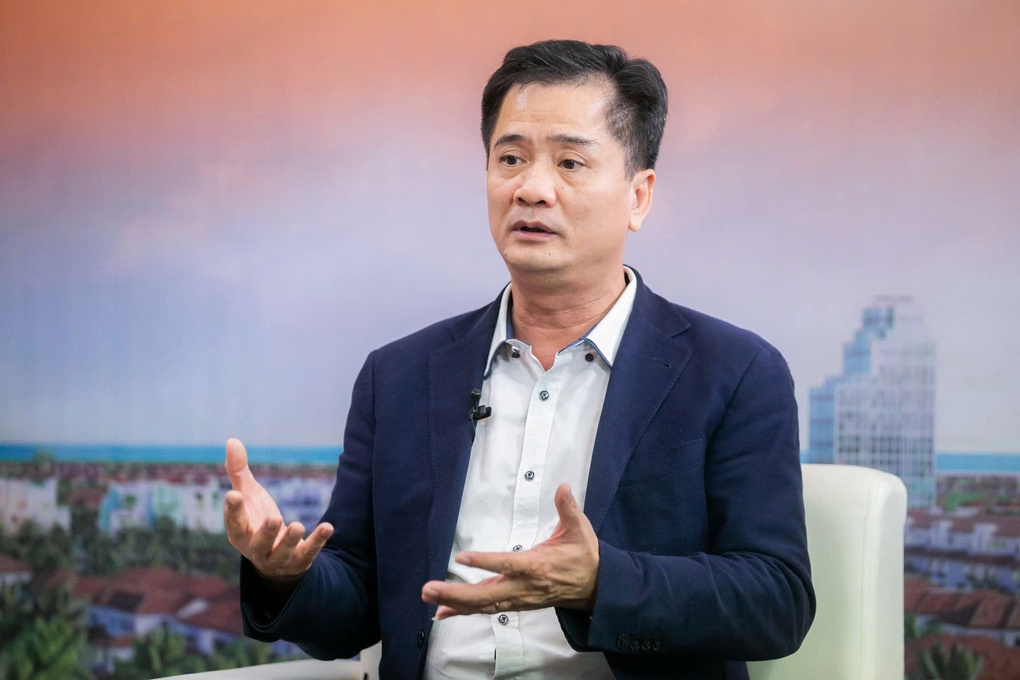
Mr. Ta My Bach, Capital Markets Director of JLL Vietnam, said that investment strategies are shifting from price appreciation expectations to focusing on actual exploitation value. According to him, in the context of high capital costs, investors increasingly prioritize projects capable of generating stable cash flows, possessing long-term competitive advantages, and meeting sustainable development standards.
JLL experts predict that these factors will also determine the market’s ability to attract foreign capital in the near future.
In fact, this trend is also reflected in M&A deals in the first half of the year. Instead of searching for new land banks or projects with many legal hurdles, investors focused on existing assets that can be further developed or exploited in a short period.
The cautious investment trend is also reflected in M&A transactions in the first half of the year. Most transactions focused on projects with completed legal procedures, under construction, or ready for quick exploitation, rather than new land banks. The residential segment recorded the most deals, while large-scale projects were mainly carried out through joint development or partial capital transfers.
A prime example is DIC Corp transferring four subdivisions at the Dai Phuoc Ecological Tourism Urban Area (Dong Nai) with a total value of over 116 million USD. At the Eco Smart City project (Thu Thiem, Ho Chi Minh City), Lotte Properties was approved to transfer up to 35% of its charter capital, and Phat Dat subsequently signed a memorandum of understanding, making a deposit of about 34 million USD to participate in the project.
Other deals, such as TT Capital and its Japanese partners acquiring land in Nha Be, or OBC Holdings and Bcons Group acquiring projects in Binh Duong, also focused on assets with an existing development foundation rather than land banks with high legal risks.
In other segments, transactions also targeted assets ready for immediate exploitation. Kinh Bac acquired two enterprises to indirectly own an office-commercial project in Hanoi; SC Capital Partners acquired Fusion Hotel Group, while Viconship bought a 65% stake in Harbour City to develop an industrial real estate project in Hai Phong. The common thread among these transactions is the focus on assets that can be exploited or further developed immediately.
According to JLL, although M&A activity continues, the biggest obstacle today is not investment demand but the gap in price expectations between sellers and buyers. While many developers still expect valuations to reflect the market’s recovery prospects, international investment funds maintain a cautious stance after a period of global economic volatility.
In addition, the remaining land use term of the project is also becoming a criterion closely scrutinized by investors before deciding to commit capital, especially for assets with land allocation or lease terms nearing expiration.
JLL forecasts that real estate M&A activity will remain stable in the second half of the year. However, capital flows are likely to remain focused on projects with complete legal status, good asset quality, and cash-generating capabilities, rather than expanding into speculative assets or those heavily dependent on price appreciation expectations.
Phuong Uyen


Leave a Reply